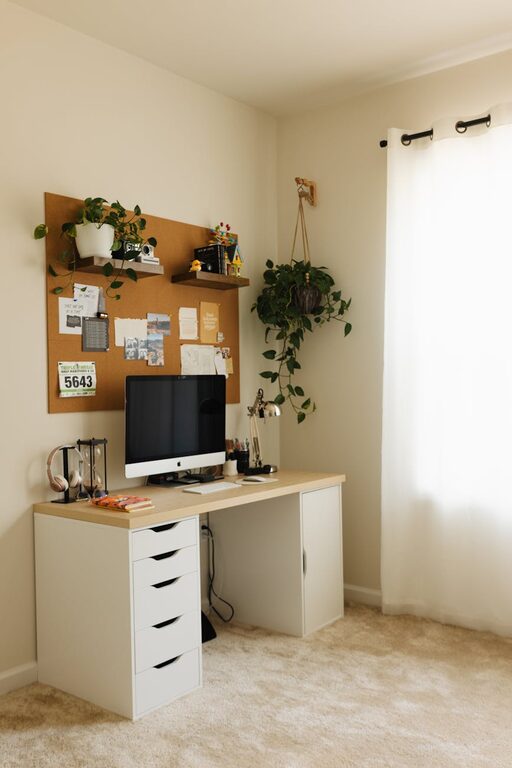
Creating a productive home office that suits your needs and style can significantly enhance your work-from-home experience. Whether you’re setting up a dedicated room or a small corner, thoughtful design and organization can help you stay focused and comfortable throughout the day. Here are several practical tips to get your home office space ready for success.
Choose the Right Location
The first step is picking a spot where you can work with minimal distractions. Ideally, choose a space with good natural light and away from noisy areas like the kitchen or living room. If possible, a separate room with a door offers privacy and helps set physical boundaries between work and home life.
Consider these factors:
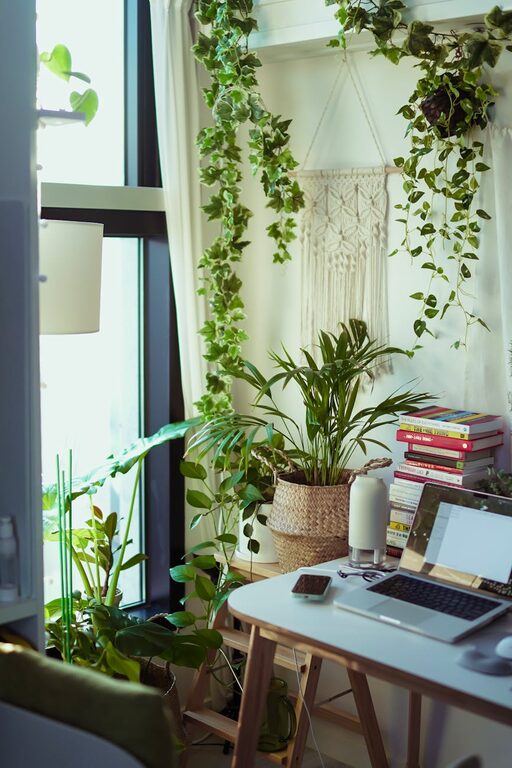
– Lighting: Natural light improves mood and productivity, so position your desk near a window if you can.
– Noise levels: Use noise-canceling headphones or soft background music if your environment is noisy.
– Space availability: Even a small nook or unused corner can work with the right furniture and layout.
Invest in Comfortable and Functional Furniture
Your furniture impacts your posture, comfort, and productivity. Choose pieces that meet ergonomic standards and fit your style.
Essentials include:
– Desk: Find a desk large enough to accommodate your computer, paperwork, and any tools you need.
– Chair: An ergonomic chair that supports your back and encourages good posture is crucial.
– Storage: Shelves, filing cabinets, or drawers help keep your workspace tidy and organized.
Adjustable height desks are increasingly popular, allowing you to switch between sitting and standing. This can reduce fatigue and improve focus.
Organize Your Space for Efficiency
A cluttered workspace can distract and frustrate you. Keep your desk clear by organizing supplies and documents effectively.
Tips for organization:
– Use organizers: Desk trays, pen holders, and cable management solutions keep items in place.
– Declutter regularly: Remove unnecessary papers and items weekly to maintain a clean area.
– Label everything: Clear labeling makes it easier to find documents and materials quickly.
Digital organization is also important. Set up folders, cloud storage, and backup systems to keep your digital files easy to access.
Personalize Your Space to Reflect Your Style
Your home office should inspire and motivate you. Personal touches can make your work environment pleasant and welcoming without causing distractions.
Ideas for personalization:
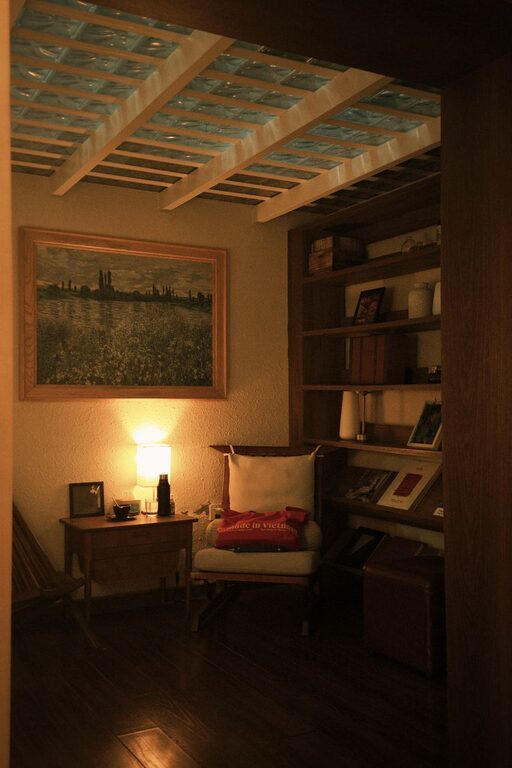
– Wall art: Hang prints, posters, or photos that you enjoy.
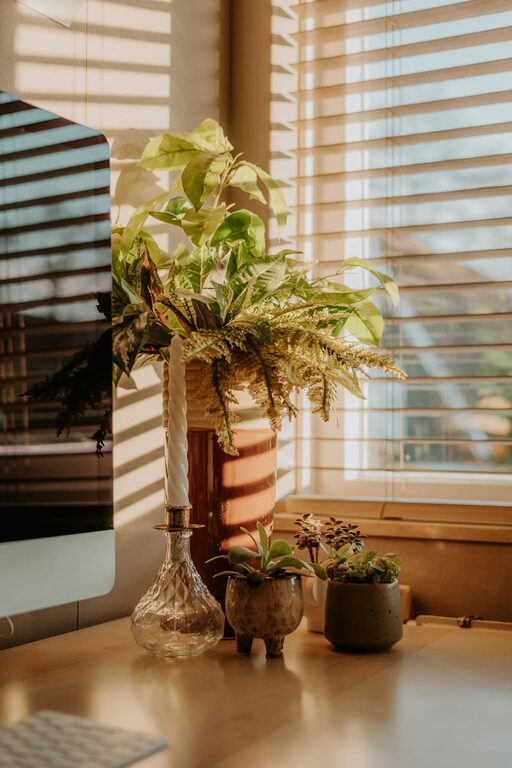
– Plants: Indoor plants improve air quality and add a calming natural element.
– Color scheme: Choose colors that boost your energy or create a peaceful ambiance. Soft blues and greens, for example, are known to aid concentration.
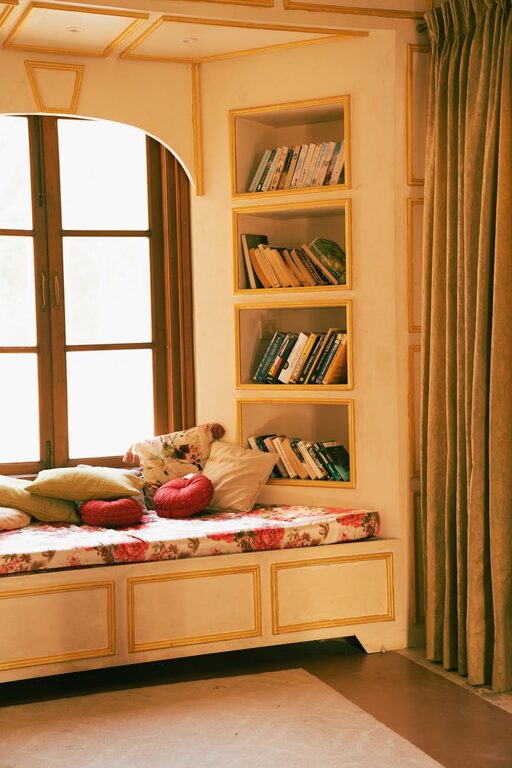
– Accessories: Use stylish desk lamps, rugs, or cushions to add comfort and character.
Balance functionality with style to create a workspace where you feel at ease and productive.
Optimize Technology and Connectivity
Technology is the backbone of most home offices. Having reliable equipment and internet service helps you work smoothly.
Consider upgrading or including:
– High-speed internet: A fast, stable connection is essential for virtual meetings and online tasks.
– Quality peripherals: Invest in a good monitor, keyboard, mouse, and headset.
– Backup power: Uninterruptible power supplies (UPS) can save work if power outages occur.
– Cable management: Keep cords tidy and out of sight to avoid hazards and clutter.
Make sure your layout accommodates plugging in and charging all your devices without creating a mess.
Set Boundaries and Designate Work Hours
A well-designed office space is only part of staying productive. Establishing clear work routines and boundaries between work and personal time supports focus.
Helpful strategies:
– Define working hours: Stick to a consistent schedule to maintain work-life balance.
– Create rituals: Start and end your workday with routine actions to signal the transition.
– Limit distractions: Close the office door, put your phone on silent, or use apps to block off-task websites during work hours.
Communicate your working times and space boundaries with family or roommates to help minimize interruptions.
Pay Attention to Comfort and Wellness
Physical and mental wellness are key for sustained productivity.
Tips to improve comfort:
– Ergonomic setup: Keep your monitor at eye level and your feet flat on the floor.
– Take breaks: Use the Pomodoro technique or regular short breaks to rest your eyes and move your body.
– Stay hydrated and nourished: Keep a water bottle nearby and have healthy snacks accessible.
Adding elements like an adjustable desk lamp or a small fan can improve comfort throughout the day.
—
Creating a home office that fits both your needs and style is about blending functionality with personal touches. By thoughtfully choosing your location, furniture, organization, technology, and routines, you can build a workspace that helps you stay focused, comfortable, and inspired every day. Whether you’re working full-time from home or occasionally tackling projects, a well-designed office makes a big difference in your productivity and well-being.
About the Author