Creating a home office that is both cozy and productive can make a big difference in your work-from-home experience. With the right setup, you can stay motivated, organized, and comfortable throughout the day. Whether you have a small nook or a dedicated room, these tips will help you design a space that works for you.
1. Choose the Right Location
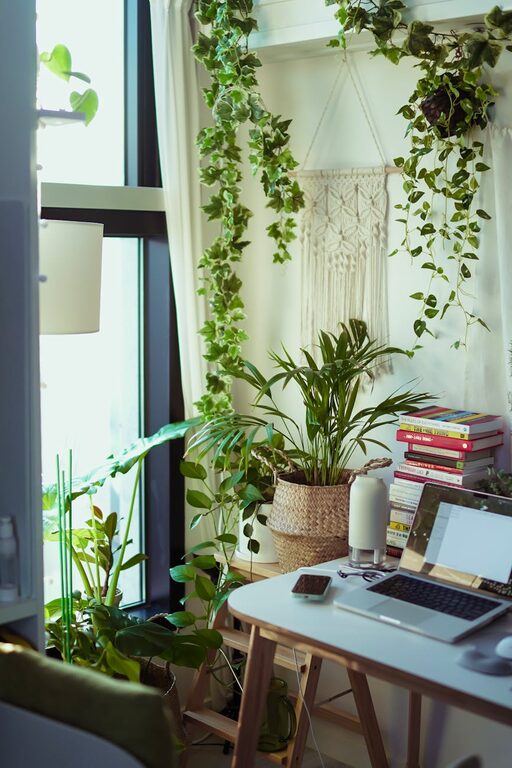
Picking the best spot for your home office is the first step. Look for a quiet corner with enough natural light if possible. Natural light has been shown to improve mood and focus, so position your desk near a window. If that’s not an option, good artificial lighting is essential.
Consider these points for your location:
– Away from high-traffic areas to minimize distractions
– Close to power outlets for computer and device charging
– Space enough to accommodate your desk, chair, and storage
2. Invest in Ergonomic Furniture
Comfort is key when working long hours. An ergonomic chair that supports your back can prevent discomfort. Similarly, a desk at the right height helps maintain proper posture.
Tips for ergonomic setup:
– Chair with adjustable height and lumbar support
– Desk height that allows elbows to rest at a 90-degree angle
– Use a footrest if your feet don’t comfortably reach the floor
– Position your computer monitor at eye level to avoid neck strain
3. Organize Your Space Efficiently
Clutter can be distracting and reduce productivity. Keep your home office tidy and organized.
Organizing ideas:
– Use shelves, drawers, or filing cabinets to store documents
– Keep frequently used items within arm’s reach
– Employ cable organizers to manage wires neatly
– Regularly declutter your desk to maintain focus
4. Personalize for Comfort and Inspiration
Adding personal touches can make your workspace inviting and motivating. However, avoid overdecorating to maintain a professional atmosphere.
Ideas to personalize:
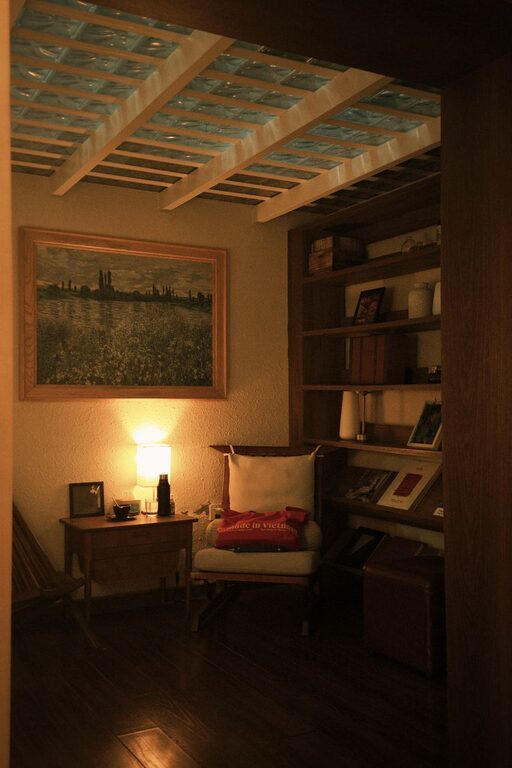
– Add a few framed photos or artwork that inspire you
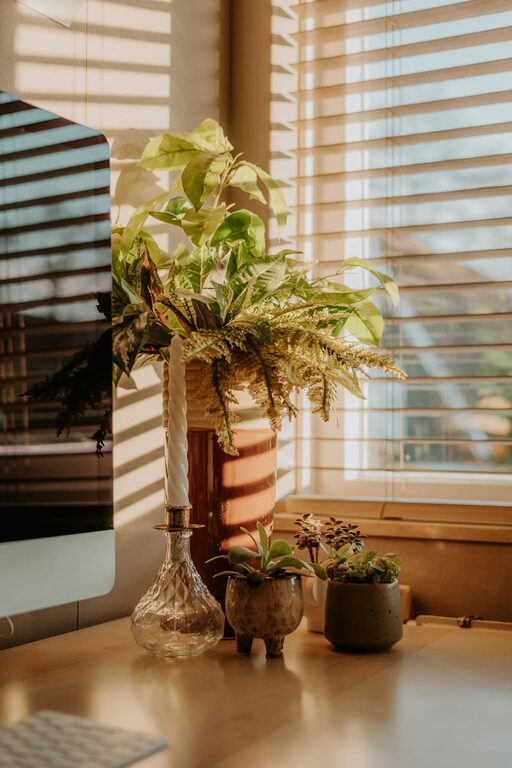
– Use plants to bring a touch of nature and improve air quality
– Choose a color scheme that feels calming and energizing, such as soft blues or greens
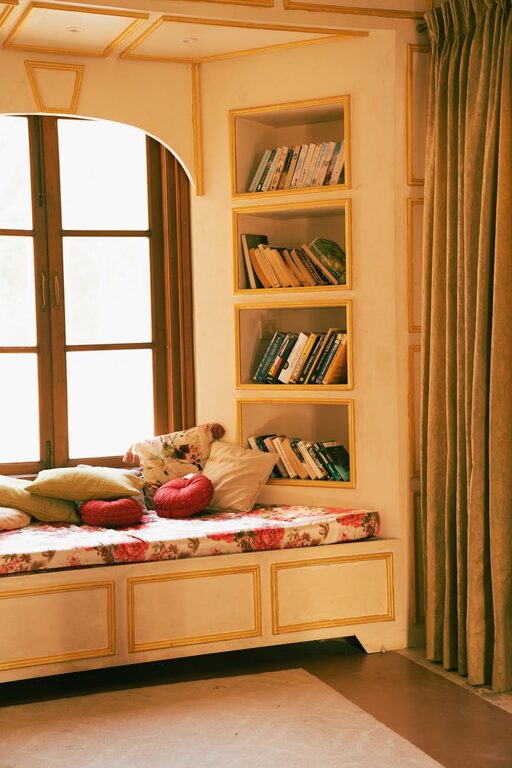
– Incorporate cozy elements like a throw blanket or cushion
5. Control Noise and Distractions
Minimizing noise helps you stay focused. If your home is noisy, consider using noise-cancelling headphones or white noise machines.
Other distraction control tips:
– Set clear boundaries with family or housemates during work hours
– Use apps or tools that block distracting websites if needed
– Keep your phone on silent or out of sight unless needed for work
6. Optimize Lighting
Good lighting reduces eye strain and enhances productivity. Aim for a balance of natural and artificial light.
Lighting recommendations:
– Position your desk to make the most of daylight
– Use a desk lamp with adjustable brightness for focused tasks
– Avoid glare on screens by adjusting window coverings or monitor placement
– Consider warm light bulbs for a cozy atmosphere, especially in the evenings
7. Incorporate Technology Wisely
Your technology setup impacts your efficiency. Make sure your computer, internet connection, and other devices meet your work needs.
Technology setup tips:
– Have a reliable and fast internet connection
– Use a good quality webcam and microphone for video calls
– Keep software and devices updated for smooth operation
– Use wireless peripherals to reduce cable clutter
8. Maintain a Routine in Your Space
A home office works best when it feels like a designated work zone. Establishing routines can help your brain switch into work mode.
Routine ideas:
– Start your day at the same time and dress as if you were going to the office
– Take regular breaks to stretch and rest your eyes
– End your workday by tidying your desk and turning off work devices
– Use calendars or planners to keep track of tasks and deadlines
9. Pay Attention to Air Quality and Temperature
Comfortable air and temperature improve concentration. If possible, open windows for fresh air during the day.
Tips for air and temperature:
– Use a fan or heater to maintain a comfortable temperature
– Avoid placing your desk near drafty windows or direct heat sources
– Add air-purifying plants like spider plants or peace lilies
10. Keep It Flexible and Evolving
Your needs may change over time, so keep your home office flexible. Don’t hesitate to rearrange, upgrade, or adjust as you discover what works best.
– Try changing your setup if you feel uncomfortable or uninspired
– Switch between sitting and standing desks if possible
– Update your organization system regularly
—
Creating a cozy and productive home office involves thoughtful choices in design, organization, and comfort. By applying these tips, you’ll create a space that helps you focus, feel relaxed, and enjoy your workday. Remember, a home office should support both your tasks and your well-being!
About the Author